Dead Zone Revive Gear and Attachments
Armor layers, weapon mods, and defensive kits for missions and compound raids.
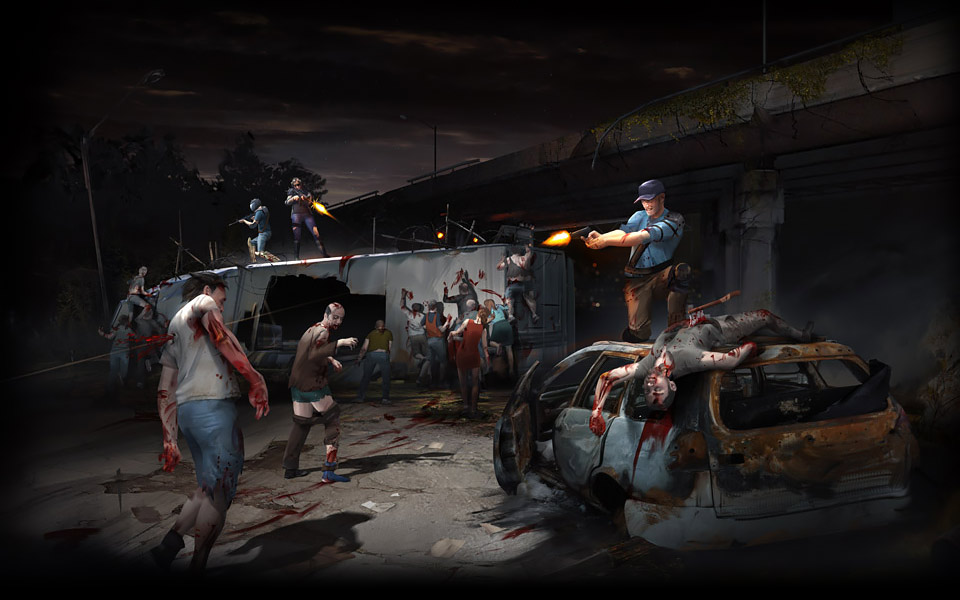
Gear in Dead Zone Revive covers everything that is not a primary weapon yet still keeps survivors alive: armor pieces, clothing layers, backpacks, utility belts, weapon attachments, and compound defense kits like barricades and trap components. Attachments are gear that mounts onto weapons; armor is gear that mounts onto survivors. Both systems share rarity tiers, schematic unlocks, and salvage rules — mastering them separates stable compounds from raid victims.
Armor slots and layering
Survivors typically equip multiple defensive slots — head, body, legs, hands, and sometimes specialized accessories — each contributing armor value, resistances, and carry capacity. Higher rarity pieces add secondary stats: infection resistance, noise reduction, reload speed, or scavenging bonuses. Do not chase rarity on one slot while leaving others common; infected chip damage and raider burst punish uneven builds.
Mission gear differs from compound defense loadouts. On scavenging runs you want mobility and sustain — lighter armor, medical pouches, extra inventory. During raid defense you swap toward maximum mitigation and trap synergy, often on Fighters and Engineers who anchor the wall line. Compound Setup explains base layout; Alliances and Raiding covers human attackers.
Attachment types on weapons
Attachments modify weapons without replacing them. Common categories include:
- Optics — range and accuracy at distance; strong with Recon and marksman platforms.
- Magazines — capacity and reload tradeoffs; essential on combat clears.
- Muzzles — recoil, spread, and noise; suppressors help stealth segments.
- Underbarrel — grips, lights, secondary utilities; stabilize automatic fire.
- Special mods — schematic-gated effects like elemental rounds or armor piercing where the legacy pool allows.
Slots are fixed per weapon silhouette. Before installing a rare mod, confirm the host weapon is worth long-term investment — see Weapons for family planning.
Utility gear and consumables
Medkits, stim injectors, antidotes, and food buffs occupy gear-adjacent inventory. Medics amplify these items; Scavengers extend how many you can extract. Backpack tier determines mission profitability on loot runs — upgrading bags often beats upgrading a sidearm when you are mat-starved. Track priorities on the Resource Checklist.
Compound utility includes repair kits, generator fuel, and decorative morale items that still touch stats in some legacy builds. Engineers convert raw mats into defensive gear faster; pair crafting sessions with schematic hunts from Schematics.
Rarity, schematics, and salvage
Gear follows the same rarity ladder as weapons. Schematics unlock repeatable crafts for attachment lines and armor sets that rarely drop intact. When duplicate gear floods your stash, salvage into mats rather than hoarding — unless the piece carries a mod you cannot craft yet.
Avoid inventing attachment names from memory; Early Access restores items in batches. Evaluate any new drop by slot type, rarity color, stat lines, and mod compatibility.
Loadout pairing by role
| Role | Gear priority | Attachment focus |
|---|---|---|
| Leader | Balanced armor, morale utilities | Flexible mid-range optics |
| Fighter | Heavy body, damage resist | Magazines, recoil control |
| Scavenger | Backpack, carry weight | Light optics, sidearm mods |
| Engineer | Trap kits, repair tools | Stable mid-range platforms |
| Medic | Medical slots, quick reload | Sidearm sustain, defensive mods |
| Recon | Noise reduction, light armor | Optics, range extensions |
Cross-check picks with the Loadout Planner and Tier List.
Where to farm gear
District tier drives armor and attachment tables — Districts and Locations and Mission Types describe risk versus reward. Combat clears skew toward weapon mods; loot runs skew toward backpacks and salvageables; alliance rewards sometimes distribute set pieces unavailable solo.
Related guides
- Items hub — economy overview.
- Crafting and Loot — when to craft versus loot.
- Scavenging Missions — extraction before overweight.
- Players hub — class synergies with gear stats.
- Updates — gear restoration during Early Access.
Gear is the silent half of combat power. Upgrade attachments and armor together, not in isolation, and your five-slot teams survive the districts that feed the next upgrade cycle.
Frequently Asked Questions
Quick answers for survivors in the Dead Zone.
Attachments versus gear — what is the difference?
Attachments mount on weapons and change gun behavior. Gear equips on survivors — armor, bags, utilities. Both use rarity and schematics.
Should I prioritize armor or weapons first?
Early on, one reliable primary plus basic armor beats a rare gun with no mitigation. Mid-game, attachments and armor sets scale together.
Do suppressors affect gameplay beyond noise?
They typically reduce noise that pulls adds, sometimes at a small damage cost. Exact values depend on the mod and current patch.
Can raiders steal equipped gear?
Raid systems target compound storage and resources. Follow Alliances and Raiding for how PvP-adjacent raids handle losses in the current build.
How do I track missing mats for gear crafts?
Use the Resource Checklist tool and Schematics page to list blueprint requirements before leaving compound.