Dead Zone Revive Districts and Locations
Union City zones, risk tiers, and loot tables for scavenging teams.
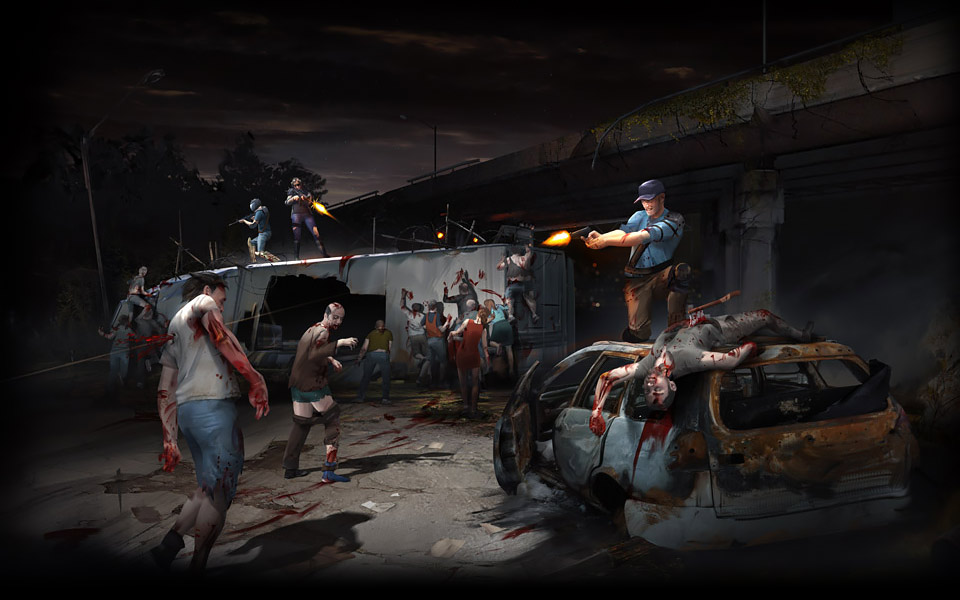
The ruins of Union City — rebranded the Dead Zone after outbreak and bombing campaigns — are divided into districts you select when launching scavenging missions. Each district combines infected density, environmental layout, travel time from your compound, and loot tables weighted toward specific resource and item families. Dead Zone Revive is restoring the legacy city block by block during Early Access, so some zones may feel sparse until server logic catches up. This page teaches how to read districts systematically rather than memorizing unreleased names.
District tier framework
Think in tiers even when the UI uses flavor names:
Tier 1 — Compound outskirts and suburban fragments. Low infected counts, short missions, common and uncommon drops, basic ammo and building mats. New players should exhaust learning here — see Getting Started and Beginner Tips.
Tier 2 — Commercial cores and residential grids. Mixed infected types, first rare weapons and attachment crates, introduction of status effects (fire, infection stacks). Requires coordinated five-slot teams with a Medic and at least one dedicated DPS weapon family from Weapons.
Tier 3 — Industrial yards, transit hubs, and municipal buildings. Longer routes, elite infected variants, schematic fragments for mid-game crafts, higher salvage yields. Compound storage and Resource Checklist planning become mandatory.
Tier 4 — Landmark ruins (hospitals, police HQs, fortified enclaves). Alliance coordination recommended, raid risk from human players on some mission types, rare and top-tier loot bias. Pair with Alliances and Raiding and Gear and Attachments.
Exact district labels on the map mirror legacy Union City geography: downtown high-rises, docks, parks converted to mass graves, and bombed choke points. When in doubt, read travel time and recommended level hints the client displays — they approximate tier even if names change.
Layout archetypes and tactics
Districts reuse layout archetypes that dictate weapon choice:
- Wide streets — ARs, marksman optics, Recon spotting.
- Interior maze — shotguns, SMGs, flashlights or glow mods.
- Vertical stacks — staggered extraction paths; watch overweight loot.
- Open park lots — kiting infected; LMGs burn ammo fast.
Scavenging Missions translates these archetypes into deploy and extract steps. Mission Types explains how the same district behaves differently under loot versus combat objectives.
Loot bias without fake item lists
Tables pull from categories, not one fixed item ID:
| District flavor | Typical category bias |
|---|---|
| Residential | Consumables, light armor, household mats |
| Commercial | Trade goods, backpacks, sidearms |
| Industrial | Scrap, chemicals, heavy weapon mods |
| Medical | Medkits, antidotes, medic gear schematics |
| Security / law enforcement | Armor pieces, SMGs, ammunition crates |
Rarity still rolls inside categories — a medical district can drop a rare stim recipe or a common bandage batch. Schematics for endgame crafts concentrate in tier 3 and 4 with alliance boosters.
Travel, energy, and rotation
Legacy Dead Zone limited spam farming with travel timers, fuel, or morale costs. Plan district rotations so you are not idle: run tier 1 mat missions while tier 4 travel cools down, craft during downtime, and sync alliance raids for windows when human threat spikes. How to Play covers the macro session loop.
Compound distance and raids
Your compound sits outside the city map layer but raid logic ties to your visibility and alliance status. High-value districts attract players seeking the same schematics — return quickly, bank loot, and reinforce walls via Compound Setup. Night raids in legacy content sometimes ignored district choice; watch Updates for revival-specific raid rules.
Planning your next run
- Identify crafting bottleneck on Schematics.
- Match district tier to team power from Loadout Planner.
- Pick mission type that extracts the bottleneck category.
- Verify Early Access availability on Early Access Status.
Related wiki sections
- Map hub — geography overview.
- Items hub — what to do with drops.
- Tier List — survivor picks per tier jump.
- Players hub — Recon for intel, Scavenger for yield.
- Guides hub — full onboarding path.
Districts are the spine of Dead Zone Revive progression. Learn tiers, read layout archetypes, and rotate missions instead of brute-forcing a zone your compound cannot support yet.
Frequently Asked Questions
Quick answers for survivors in the Dead Zone.
Are all legacy districts available in Early Access?
Not yet. Developers are rebuilding server logic. Some zones may be locked or loot-sparse until restoration patches ship — see Updates.
How do I know when to move up a tier?
When missions finish with stable health, full extraction, and rare drops that no longer upgrade your team. If wipes spike, drop a tier and upgrade weapons first.
Do districts share loot tables?
They overlap partially but each district weights categories differently. Farm the flavor that matches your crafting goal.
Can I run the same district repeatedly?
Usually yes with travel or cooldown limits. Rotate to avoid mat bottlenecks and boredom.
Where do alliance missions appear?
Alliance content may add shared objectives or boosted districts. Check Alliances and Raiding when group play unlocks in your build.